Eco

Insulated Water Bottle
$20.00 each, min 25
Free US shipping on orders over $150
Shop everythingHandmade in our own workshop · Shipped worldwide
Lower-impact materials across signage, print and branded merchandise — each one badged only where we can name the reason.
$20.00 each, min 25
$34.50 per set, min 20
$8.00 each, min 50
$1.18 each, min 500
$6.40 each, min 50
$2.85 each, min 100

$15.80 each, min 50
$104.00
$8.90 per roll, min 6
$4.90 each, min 50
Not quite it?
Your words, your font, your colour — priced live and proofed before we build.
Start designing →No signs match those filters. and start again.
Almost nothing in signage is genuinely green. It is aluminium, acrylic, vinyl and electronics, and no amount of leaf iconography changes that. So rather than badge the whole catalogue and hope, we badge the items where a specific material or process is measurably lower-impact, and the product page says which.
That rules a lot out. A sign is not eco because it is LED and lasts a long time — longevity is just a product being good. It counts when the aluminium is recycled stock, the board is FSC-certified, the merchandise body is bamboo instead of plastic, or the mailer composts instead of lasting four centuries.
The one change with the widest reach is not a product at all. Switching a shop's outbound packaging to recycled-content mailers affects every parcel it sends, which is usually a larger footprint than the signage on its wall.
Frames and light box extrusions in recycled stock. Aluminium recycles almost indefinitely at a fraction of the energy of smelting new.
Certified stock for printed graphics, counter displays and packaging inserts, from forests managed to a standard somebody audits.
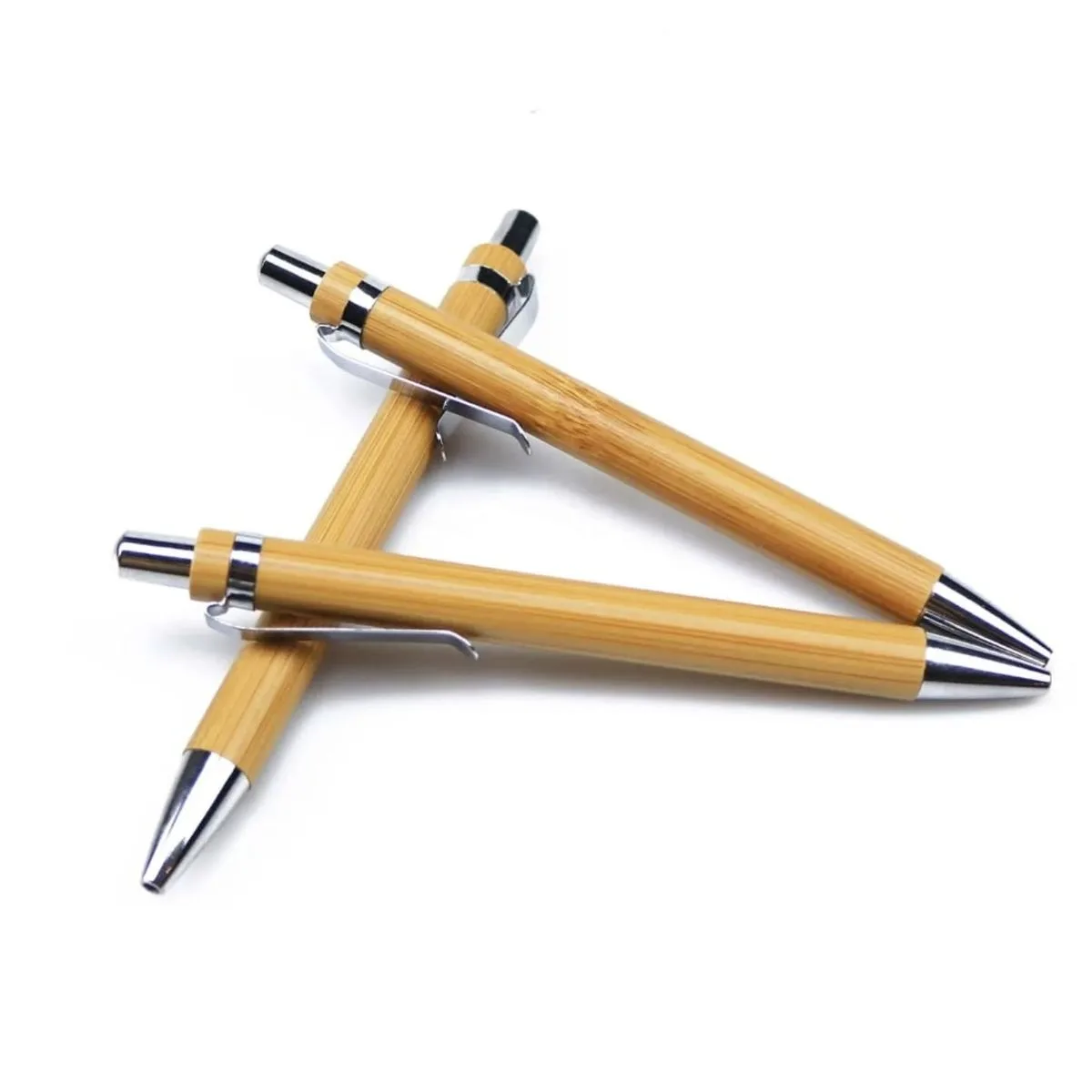
Corporate gifts with bamboo, cork or recycled-plastic bodies — the categories where a real alternative exists rather than a marketing one.
Branded poly mailers in recycled or compostable film, so the packaging is the lowest-impact part of the parcel rather than the worst.
Working to a sustainability policy? Send it over — we will tell you plainly which parts of an order we can meet and which we cannot.